

Dating apps feel more like online shopping than finding someone

I was doing some research on this for one of my classes, and I thought it would be a cool blog topic!
Dating apps work like this: One day, you decide to download one, filter based on your preferences (age, height, distance), scroll until you find someone who catches your attention, swipe right, and scroll again. This sounds like shopping online at Amazon or buying clothes. I type what I want, filter it, check the price, and add it to my cart.
Dating apps and e-commerce platforms don’t just look alike; they basically work the same way. Same endless scrolling. Same filters. Same mindset: look through the options, compare what’s out there, and go with the one that seems best. The only difference is that one is selling you a product, while the other supposedly helps you find "love". The designs of Hinge, Tinder, and Bumble are similar to those of shopping apps. Similar to how you would filter by size, you filter by height. Filtering by distance is similar to looking at delivery alternatives. Moreover, profiles are starting to look like product pages, with a few attractive photographs, a short list of qualities, and an easily marketable personality. It's not by coincidence. These applications are designed to keep you searching. People are kept swiping late into the night by the same design strategies that keep them reading through reviews and items.
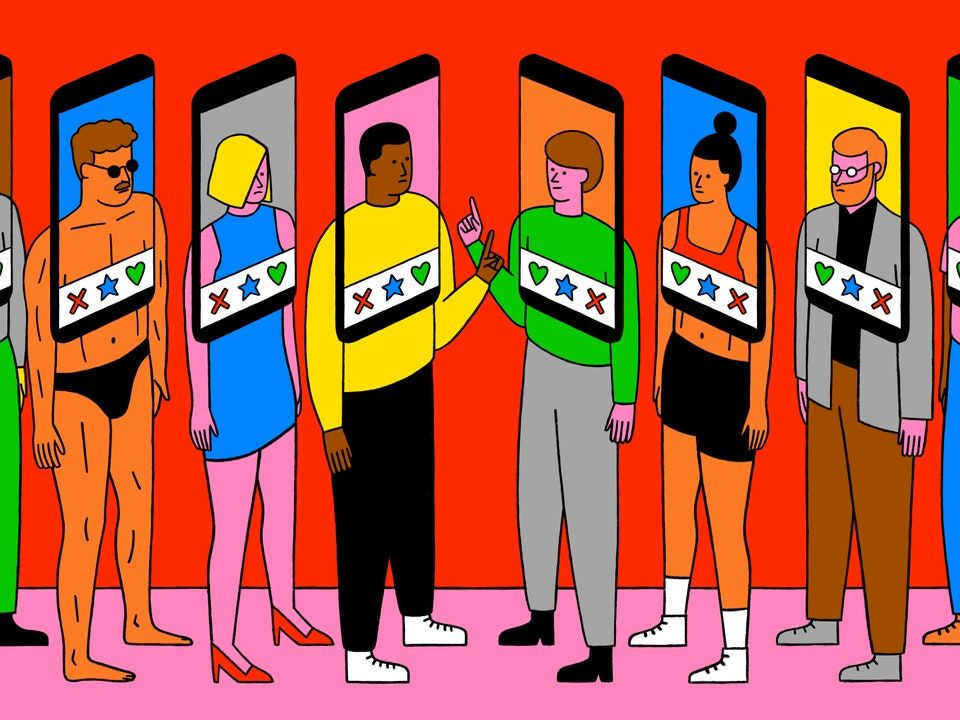
The frustrating part is the number of options we have. These options do not make it easier but make it harder for the user to pick and choose. You keep swiping through person after person, but only so far. Then you hit a limit, and the app suddenly asks you to pay to keep going. So instead of making dating easier, the whole thing makes choosing to feel more stressful, more rushed, and more transactional. Hinge's tagline, "designed to be deleted," is clever because it conveys that the app wants to help you move on. It gives the impression that the app's goal is to help you break free from the swipe cycle and into a long-term relationship. However, the business model suggests otherwise. When users remain active, continue swiping, and eventually pay for increased visibility, more likes, or additional features, dating apps generate revenue. So, even though the branding suggests a conclusion, the platform is nevertheless designed to keep consumers interested for as long as feasible.
Ultimately, however, dating applications provide a dating experience akin to online shopping. They focus on browsing, comparing, and the endless search for something even better. And thus, people become objects of choice on screens rather than actual people in a date culture where transactions take precedence over romance. Maybe that's the real problem: connection-seeking applications are designed primarily to keep people hooked rather than foster true connections.


Comments